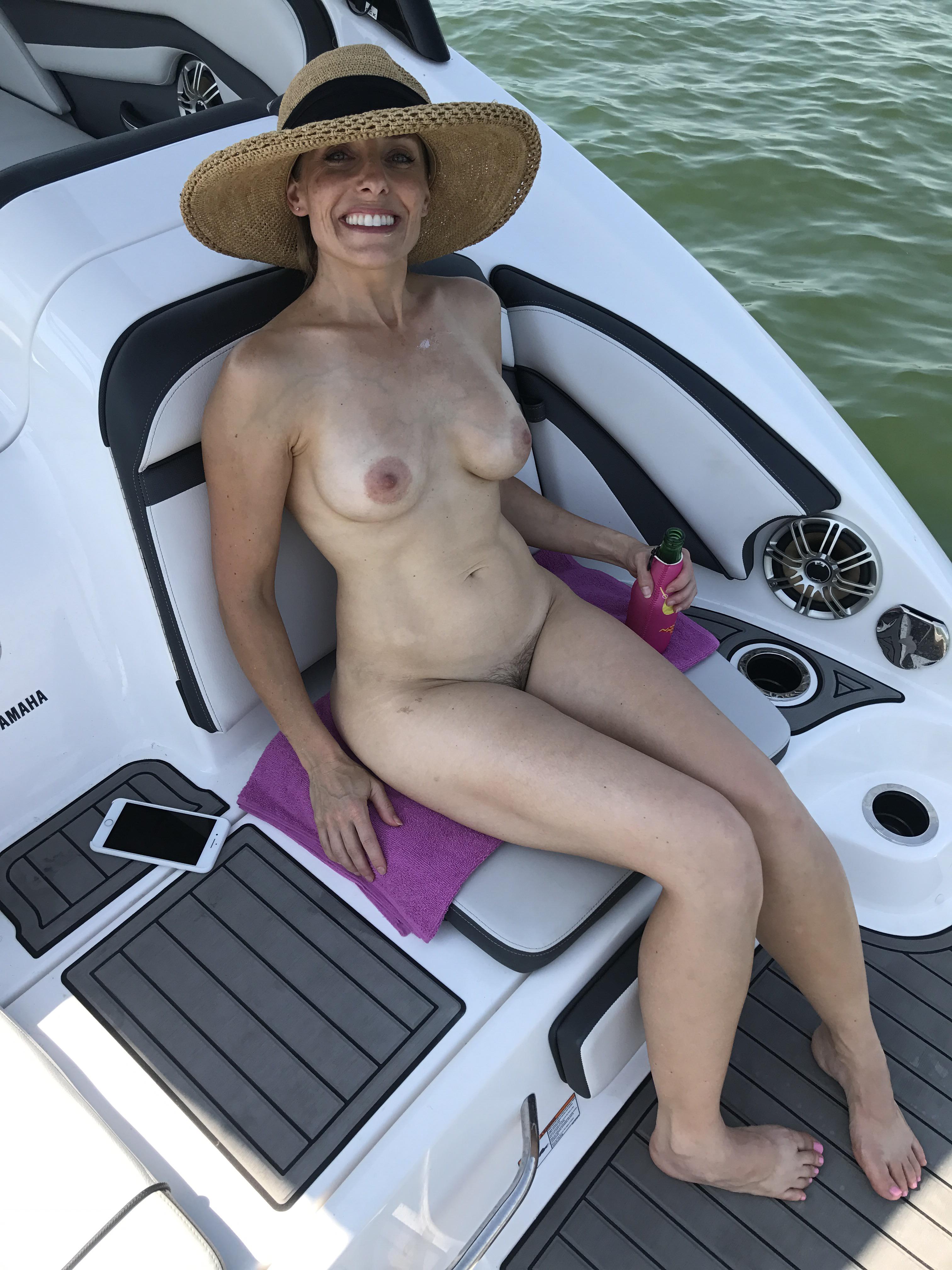
mature nude on boat Exclusive File Explores Art Legal Tech Trends
An exclusive collection of mature nude imagery aboard boats has emerged as a provocative intersection of art, technology, and legal gray areas, challenging conventional boundaries of creative expression. From ancient maritime civilizations to cutting-edge digital platforms, the depiction of the human form in nautical settings has evolved alongside societal norms, artistic innovation, and ethical debates. This exploration delves into how cultural symbolism, legal frameworks, and technical advancements shape the creation and dissemination of such content, revealing a landscape where freedom of expression clashes with censorship and innovation meets regulation.
The allure of boats as both a canvas and a metaphor—symbolizing freedom, exploration, and sensuality—has long captivated artists across centuries. Yet, the portrayal of mature nudity in these contexts remains mired in controversy, oscillating between revered artistic tradition and legal ambiguity. Whether through Renaissance masterpieces, Victorian-era censorship battles, or modern digital artistry, the fusion of water and the human form continues to spark discussions on ethics, aesthetics, and the evolving role of technology in redefining exclusive content. This deep dive examines the historical roots, legal complexities, technical intricacies, and distribution channels that define this niche, offering a comprehensive look at its past, present, and future.

The Maritime Canvas: Nude Art on Boats Through Cultural and Historical Lenses

The intersection of nudity and maritime themes in art reflects humanity’s enduring fascination with the sea as both a symbol of freedom and a metaphor for the raw, untamed aspects of existence. From ancient civilizations to contemporary digital art, boats have served as dynamic backdrops for the human form, evolving alongside societal norms, technological innovations, and artistic movements. This exploration traces the cultural and historical trajectories of nautical-themed nude art, dissecting its symbolic layers, artistic adaptations, and the societal forces that shaped—or suppressed—its expression.
Ancient Foundations: Nudity and the Sea in Early Maritime Civilizations
The earliest depictions of nudity in maritime contexts emerged from cultures where the sea was not merely a resource but a divine entity. In ancient Greek and Roman art, the human form—often nude—was central to mythology and daily life, with gods like Poseidon and Aphrodite embodying the duality of water as both nurturing and destructive. Sculptures and vase paintings from the 5th–4th centuries BCE frequently featured sailors, nymphs, and deities in intimate poses on ships, reinforcing themes of eroticism, exploration, and divine favor. For instance, the Windsor Vase (1st century BCE) illustrates a procession of figures, including nude athletes and deities, aboard a ship, symbolizing harmony between human ambition and natural forces.
Polynesian and Mesoamerican traditions similarly wove nautical and erotic themes into their art, though with distinct cultural inflections. Polynesian tattooing and woodcarvings often depicted gods like Tāne Mahuta (forest and sea deity) in forms that blurred the boundaries between human, animal, and spiritual realms, while Maya codices included scenes of rulers and deities in canoes, suggesting a sacred connection between sovereignty, water, and fertility. Unlike Western traditions, where nudity was often tied to idealized beauty or moral ambiguity, these cultures framed it as a spiritual and communal experience, where the sea’s vastness mirrored the expansiveness of the human soul.
Symbolism of Boats and Nudity: Freedom, Sensuality, and the Sublime
Boats in art have long symbolized transience, liberation, and the unknown, making them potent metaphors for the human condition. The nude figure aboard a vessel encapsulates this duality: the body, stripped of societal constraints, becomes a canvas for primordial instincts, adventure, and vulnerability. In Renaissance art, ships represented both escape from terrestrial burdens and divine judgment—as seen in Hieronymus Bosch’s The Ship of Fools (1503–1504), where allegorical figures (some nude) embark on a journey toward moral reckoning.
Table of Contents
- The Maritime Canvas: Nude Art on Boats Through Cultural and Historical Lenses
- Ancient Foundations: Nudity and the Sea in Early Maritime Civilizations
- Symbolism of Boats and Nudity: Freedom, Sensuality, and the Sublime
- Chronological Evolution: Key Artistic Movements and Maritime Nudity
- Cultural Taboos and Censorship: The Battle Between Art and Morality
- Legal and Ethical Considerations Surrounding Exclusive Nude Content on Boats
- Legal Frameworks Governing Maritime Explicit Content
- Jurisdictional Challenges and Enforcement Gaps
- Case Studies of Legal Battles and Societal Reactions
- Ethical Dilemmas in Exclusive Nude Content Creation
- Comparative Legal Landscape: Explicit Content in Maritime Spaces
- Technical Mastery in Capturing and Crafting Exclusive Nude Content on Boats
- Lighting and Environmental Challenges in Maritime Nude Photography
- Equipment and Gear Recommendations for On-Location Shoots
- Step-by-Step Workflow for Photographers: From Shoot to Final Output
- Digital Art Techniques for Stylized or Hyper-Realistic Maritime Nude Depictions
- Platforms and Distribution Channels for Exclusive Nude Content on Boats: Monetization, Security, and Audience Engagement Strategies
- Overview of Popular Platforms for Exclusive Maritime Nude Content
- Pros and Cons of Key Platforms: Reach, Monetization, and Censorship Risks
- Setting Up Private or Members-Only Distribution Channels
- Blockchain and NFT Technology for Exclusive Maritime Nude Content
The Impressionist and Post-Impressionist movements of the late 19th century further elevated the sea as a site of sensual liberation. Artists like Édouard Manet (Le Déjeuner sur l’Herbe, 1863) and Paul Gauguin (Nevermore, 1897) juxtaposed nude figures with maritime settings, challenging Victorian prudery by associating water with uninhibited pleasure and exoticism. Gauguin’s Tahitian works, in particular, depicted women in canoes as embodiments of primitive sensuality, contrasting sharply with European hypocrisy. Meanwhile, Surrealist artists such as Salvador Dalí (The Temptation of St. Anthony, 1946) used boats as surreal vessels of desire, where the sea’s depths mirrored the unconscious mind.
Non-Western traditions offered alternative interpretations. In Japanese ukiyo-e prints, boats (yakatabune) often carried courtesans or mythological figures, symbolizing fleeting beauty and the ephemeral nature of life—a concept central to mono no aware. Conversely, African maritime art, such as the Benin Bronzes, depicted deities and rulers in canoes, linking water to royal authority and ancestral spirits. These distinctions highlight how cultural contexts shaped the moral, spiritual, and aesthetic roles of nude figures on boats.
Chronological Evolution: Key Artistic Movements and Maritime Nudity
The portrayal of mature nude subjects on boats has been influenced by shifting artistic paradigms, technological advancements, and societal attitudes. Below is a chronological overview of pivotal movements and their contributions:
- Classical Antiquity (500 BCE–500 CE): Greek and Roman art established the idealized nude as a cornerstone of artistic expression. Marble sculptures like Laocoön and His Sons (1st century BCE) depicted dramatic scenes aboard ships, blending tragedy, physicality, and mythological narrative. Roman mosaics, such as those from Pompeii, featured sailors and nymphs in eroticized maritime settings, reflecting the empire’s cosmopolitan hedonism.
- Renaissance (14th–17th centuries): The revival of classical themes saw artists like Sandro Botticelli (The Birth of Venus, 1485) use water as a purifying and transformative element. While not explicitly nautical, works like Tiziano Vecellio’s Bacchanal with Poet (1570s) included shipwreck motifs, associating nudity with chaos and divine intervention. The Mannerist period pushed further, with artists like Bronzino employing elongated figures in boat-like compositions to evoke mystery and moral ambiguity.
- Victorian Era (19th century): A stark contrast emerged as moral conservatism clashed with artistic innovation. While the Pre-Raphaelite Brotherhood (e.g., Sir Edward Burne-Jones’ The Golden Stairs, 1880) romanticized medieval nautical themes, overt nudity was often censored or allegorized. However, Japanese woodblock prints (ukiyo-e) influenced Western artists like James McNeill Whistler, who incorporated exoticized maritime eroticism into works like The Peacock Room (1876–1877), though subtly.
- Modernism and Surrealism (Early–Mid 20th Century): The Impressionists and Symbolists broke taboos, with Paul Cézanne (Bathers, 1900s) and Gustave Courbet (The Origin of the World, 1866) redefining nudity as universal and unapologetic. Surrealists like René Magritte (The Lovers, 1928) used boats as metaphors for isolation and desire, while Henri Matisse (The Dance, 1910) abstracted the human form in ways that evoked liquid movement. The Harlem Renaissance also saw artists like Aaron Douglas blend African maritime motifs with modernist styles, challenging Eurocentric narratives.
- Contemporary and Digital Era (Late 20th–21st Century): Technological advancements have democratized and diversified nautical nude art. Photography (e.g., Robert Mapplethorpe’s X Portfolio, 1978–1980) pushed boundaries with explicit imagery, while digital artists like Beeple use 3D modeling to create hyper-realistic, surreal maritime scenes. Meanwhile, Afrofuturist and Indigenous artists (e.g., Jaune Quick-to-See Smith) recontextualize boats as sites of resistance and cultural revival, merging traditional motifs with contemporary issues.
Cultural Taboos and Censorship: The Battle Between Art and Morality
The acceptance—or suppression—of nautical nude art has fluctuated with societal values. During the Renaissance, the Church initially resisted overt eroticism but later co-opted classical nudity for religious narratives (e.g., Michelangelo’s Sistine Chapel). The Victorian Era imposed strict censorship; Oscar Wilde’s trial (1895) for The Picture of Dorian Gray—which included nautical themes—highlighted the era’s hypocrisy toward sensuality. In contrast, 20th-century Europe and America saw nudity in art gradually legitimized through movements like Dadaism and Feminist Art, though maritime nudity remained niche until digital platforms emerged.
In non-Western contexts, censorship took different forms. Japanese ukiyo-e faced bans under the Meiji Restoration (1868) for "immoral" depictions, while Af
Legal and Ethical Considerations Surrounding Exclusive Nude Content on Boats
The intersection of maritime environments and explicit content featuring mature subjects presents a complex web of legal ambiguities and ethical dilemmas. While the creation and distribution of such material may seem confined to private or semi-private spaces like yachts or cruise ships, jurisdictional challenges arise when these activities extend into international waters or involve digital platforms with global reach. Legal frameworks governing explicit content vary drastically between nations, often influenced by cultural attitudes toward nudity, privacy, and consent. Ethical considerations further complicate the landscape, particularly regarding the objectification of mature individuals, the role of anonymity, and the transparency of metadata. This section examines the legal and ethical dimensions of exclusive nautical-themed content, including jurisdiction challenges, case studies, and platform regulations, while also exploring safeguards for creators and subjects.
Legal Frameworks Governing Maritime Explicit Content
The legal treatment of explicit content involving mature subjects in maritime settings is primarily shaped by national laws, international treaties, and platform-specific regulations. In most jurisdictions, explicit content is regulated under obscenity, pornography, or indecency laws, but maritime contexts introduce additional layers of complexity. For instance, content created on board a vessel registered in one country but distributed via a server in another may fall under conflicting legal interpretations. International waters—where no single nation holds sovereign authority—create a legal gray area, allowing creators and distributors to exploit jurisdictional gaps. Meanwhile, territorial disputes over maritime borders (e.g., the South China Sea or Arctic shipping lanes) further complicate enforcement, as authorities may hesitate to prosecute activities occurring in contested zones.
Domestic laws often distinguish between private and public maritime spaces. A yacht anchored in a country’s exclusive economic zone (EEZ) may be subject to that nation’s laws, whereas a cruise ship operating in international waters could evade local regulations entirely. Digital distribution compounds these challenges, as platforms hosting such content may operate under the laws of their headquarters or the users accessing it. For example, a website based in Malta (a hub for adult content due to its lenient regulations) might host nautical-themed explicit material while avoiding scrutiny from stricter jurisdictions like the U.S. or Australia.
Jurisdictional Challenges and Enforcement Gaps
The enforcement of laws related to explicit maritime content is hindered by several jurisdictional challenges, including flag state jurisdiction, port state control, and digital sovereignty. Flag state jurisdiction refers to the authority of the country where a vessel is registered, which may not align with the nationality of its crew or passengers. Port state control allows coastal nations to inspect foreign vessels within their territorial waters, but this power is rarely exercised for content-related offenses unless it involves trafficking or child exploitation. Digital sovereignty introduces another layer, as platforms may claim immunity under Section 230 of the U.S. Communications Decency Act or equivalent laws in other countries, shielding them from liability for user-uploaded content.
International waters present the most significant enforcement gap, as no single authority can prosecute activities occurring beyond territorial limits. This has led to cases where creators of explicit maritime content operate with impunity, particularly when the material is distributed via encrypted platforms or peer-to-peer networks. Territorial disputes further exacerbate these issues; for example, a vessel sailing through contested waters in the South China Sea might avoid scrutiny from both China and the Philippines, allowing illegal content creation to persist. Similarly, Arctic shipping routes, which are increasingly used for commercial and private travel, lack clear legal frameworks for regulating explicit content.
Case studies highlight these enforcement challenges: - The Love Boat Controversy (2018): A Dutch luxury yacht, the Love Boat, was raided by authorities in Antigua and Barbuda after reports of explicit parties involving minors (though no mature subjects were directly implicated). The incident sparked debates about private vs. public spaces on board and the difficulty of policing consensual adult activities in international waters. - The Cruise Ship Piracy Crackdown (2015): While primarily focused on human trafficking, this operation revealed how cruise lines self-regulate to avoid legal repercussions, often burying internal investigations into explicit content involving passengers. - The Malta Adult Content Hub Scandal (2020): Malta’s reputation as a tax haven for adult content platforms led to investigations into whether its lax laws were being exploited for maritime-themed explicit material, particularly involving yacht parties in the Mediterranean.
Case Studies of Legal Battles and Societal Reactions
Legal disputes involving nautical-themed explicit content often revolve around consent, distribution, and platform accountability. Below are key cases that illustrate the tensions between free expression, privacy, and legal consequences:
1. The Yacht Party Raid in Monaco (2019) - Incident: Authorities in Monaco shut down a private yacht party after receiving complaints about explicit activities involving mature guests. While no charges were filed against the participants, the event exposed Monaco’s zero-tolerance policy for public nudity, even in semi-private maritime settings. - Outcome: The case led to stricter port security protocols for private yachts docking in Monaco, with mandatory background checks for guests. - Societal Reaction: Critics argued the raid was an overreach of privacy, while supporters praised Monaco’s stance on maintaining its reputation as a high-end, family-friendly destination.
2. The Cruise Line Content Leak (2017) - Incident: A hacker leaked private videos from a Carnival Cruise Line yacht party, featuring explicit content involving consenting adults. The company faced lawsuits for negligence in securing private footage and was accused of turning a blind eye to on-board activities. - Outcome: Carnival settled out of court, implementing mandatory encryption for private cabins and stricter content moderation policies for crew members. - Societal Reaction: The case sparked discussions about corporate liability in maritime adult entertainment, with some arguing that cruise lines should be held accountable for enabling such environments.
3. The Japanese Yacht Club Scandal (2021) - Incident: A private yacht club in Tokyo Bay was raided after members distributed explicit content featuring mature women without their knowledge. Investigators found that location tags (GPS metadata) in the photos revealed the exact coordinates of the club, leading to arrests under Japan’s obscenity laws. - Outcome: Three organizers were convicted of unauthorized distribution of explicit images, while the club was fined for operating without proper privacy safeguards. - Societal Reaction: The case highlighted Japan’s strict stance on image-based exploitation, even in consensual adult contexts, and led to calls for metadata anonymization in maritime adult content.
Ethical Dilemmas in Exclusive Nude Content Creation
Ethical concerns in the production and consumption of exclusive nautical explicit content revolve around consent, exploitation, and objectification, particularly when mature individuals are involved. Key dilemmas include: - Consent and Coercion: Even in private settings, power imbalances (e.g., crew vs. passengers, wealthy yacht owners vs. hired models) can undermine genuine consent. Ethical creators must ensure informed consent, including clear agreements on usage rights, compensation, and anonymity. - Exploitation of Vulnerable Subjects: Mature individuals in the adult industry may face financial coercion (e.g., being pressured to participate in exchange for free cruises or yacht access) or psychological manipulation (e.g., grooming under the guise of "artistic expression"). - Objectification and Ageism: Maritime settings often romanticize youth and vitality, leading to the erasure of mature bodies in explicit content. Ethical platforms must challenge these narratives by centering diverse representations of mature individuals. - Privacy and Anonymity Risks: While anonymity can protect subjects, it also enables non-consensual distribution (e.g., deepfake technology or doxxing). Creators must implement secure metadata stripping and pseudonymization protocols to mitigate these risks.
Platforms hosting exclusive nautical content face additional ethical challenges, particularly regarding: - Age Verification: Ensuring viewers meet the legal age of consent (e.g., 18+ in the U.S., 16+ in some EU countries) while respecting cultural differences in age-related laws. - Content Moderation: Balancing free expression with the prevention of non-consensual sharing or exploitative practices (e.g., revenge porn, blackmail). - Transparency in Metadata: Platforms must decide whether to preserve location/timestamp data (for legal compliance) or anonymize it (to protect privacy), weighing the risks of geotagging leaks against law enforcement needs.
Comparative Legal Landscape: Explicit Content in Maritime Spaces
The following table outlines key legal differences between jurisdictions regarding explicit content involving private vs
Technical Mastery in Capturing and Crafting Exclusive Nude Content on Boats
The intersection of human form and maritime environments presents a unique set of technical challenges for creators aiming to produce high-quality exclusive nude content. Unlike controlled studio settings, boats introduce dynamic variables—such as water reflections, motion blur, and unpredictable lighting—that demand specialized equipment, precision techniques, and post-production expertise. Whether pursuing realism or stylization, photographers, digital artists, and VR developers must navigate these complexities to achieve visually compelling results. This section explores the technical intricacies of capturing or designing mature nude subjects in nautical settings, from gear selection to advanced post-production workflows, while addressing the role of AI and environmental constraints in shaping the final output.
Lighting and Environmental Challenges in Maritime Nude Photography
Maritime environments present lighting conditions that differ drastically from terrestrial settings, with natural light sources—such as sunlight, moonlight, and artificial deck lighting—interacting unpredictably with water, metal, and fabric. Direct sunlight creates harsh reflections on wet surfaces, while overcast skies may produce flat, diffused lighting that lacks contrast. Additionally, the movement of the boat introduces motion artifacts, blurring edges and distorting reflections unless mitigated with high shutter speeds or stabilization techniques.
To counteract these challenges, photographers employ a combination of reflective modifiers (e.g., silver or gold reflectors) to soften harsh sunlight and polarizing filters to reduce glare on water. For indoor or evening shoots on boats, LED panels with adjustable color temperatures (5000K–6500K) simulate natural daylight, while monolights with diffusion umbrellas provide even, shadow-free illumination. Advanced setups may incorporate continuous lighting rigs with battery packs to ensure consistent output during long shoots, particularly in unstable conditions. Digital artists, meanwhile, replicate these effects in software by layering HDRI (High Dynamic Range Image) environments to mimic the interplay of light and water, adjusting exposure curves to avoid overexposed highlights or crushed shadows.
A critical consideration is the golden hour—the period shortly after sunrise or before sunset—when the low-angle light creates elongated shadows and warm tones, ideal for dramatic compositions. However, this window is limited on boats due to mobility constraints, necessitating careful planning to align shoots with optimal lighting conditions. For studio simulations, artists use 3D-rendered water shaders with subsurface scattering properties to replicate the way light penetrates water, enhancing realism in digital compositions.
Equipment and Gear Recommendations for On-Location Shoots
Selecting the right equipment is essential for overcoming the technical hurdles of maritime nude photography. Below is a breakdown of essential gear, categorized by function, along with professional-grade alternatives for specific use cases.
Waterproof and Weather-Sealed Cameras - Primary Choice: Sony A7R IV (with underwater housing) or Nikon Z7 II (weather-sealed, paired with a Nauticam housing for full submersion). - Budget Option: Fujifilm X-T4 (weather-resistant, compatible with Fujinon underwater housings). - Action Shots: GoPro Hero 11 Black (4K/60fps, stabilized for motion) or Insta360 Pro 2 (360-degree capture for immersive footage).
Lenses for Versatile Framing - Wide-Angle: Sigma 18-35mm f/1.8 (captures expansive boat decks and water horizons). - Portrait: Canon RF 85mm f/1.2L (creates flattering compression) or Tamron 90mm f/2.8 (macro capabilities for textural details). - Telephoto: Nikkor Z 70-200mm f/2.8 (isolates subjects from background motion).
Stabilization and Motion Control - Gimbal Systems: DJI RS 3 Mini (for handheld stability) or Freefly Movi M10 (for dynamic tracking shots). - Tripod Alternatives: Joby GorillaPod (adjustable legs for uneven surfaces) with a Manfrotto 055CXPRO3 fluid head.
Lighting Kits for Deck and Cabin Shoots - Portable Studio Light: Aputure 300D II (bi-color LED, adjustable CRI for accurate skin tones). - Underwater Lighting: Ikelite DS160 Strobe (for submerged or semi-submerged scenes). - Battery Solutions: V-Mount batteries (e.g., Zapco Z-24V) for extended shoots.
Post-Capture Tools - Waterproof Memory Cards: SanDisk Extreme Pro (170MB/s, 256GB+) to prevent corruption from humidity. - Onboard Backup: LaCie Rugged SSD Pro (IP67-rated, shock-resistant).
For digital artists, the emphasis shifts to high-resolution tablets (e.g., Wacom Cintiq 24) paired with GPU-accelerated workstations (e.g., Dell Precision 7870 with NVIDIA RTX 6000) to handle complex water simulations and texture mapping. Software like Blender (for 3D modeling) and Adobe Photoshop (for compositing) becomes indispensable for refining details that are difficult to capture in real-time.
Step-by-Step Workflow for Photographers: From Shoot to Final Output
Achieving a polished maritime nude image requires a structured approach, balancing in-camera techniques with post-production refinement. Below is a streamlined workflow for photographers:
1. Pre-Shoot Preparation - Scouting Locations: Identify boats with minimal obstructions (e.g., railing-free decks, non-reflective surfaces). - Weather Forecasting: Prioritize shoots during Beaufort Scale 2–3 (light breeze) to minimize motion blur. - Subject Briefing: Ensure models understand poses that minimize unnatural tension (e.g., anchoring feet to prevent slipping).
2. In-Camera Techniques - Exposure Settings: Use aperture priority (f/8–f/11) to maintain depth of field, combined with 1/500s shutter speed to freeze motion. - White Balance: Set to 5500K–6000K for daylight accuracy; use custom presets for artificial lighting. - Focus Method: Back-button focus with single-point AF for critical details (e.g., eyes, hands) or zone focusing for dynamic scenes. - Bracketing: Capture 3–5 exposures per shot to ensure dynamic range for HDR merging.
3. On-Location Editing - Initial Culling: Delete blurry or overexposed frames immediately to save storage. - Spot Corrections: Use Luminar AI’s "Sky Replacement" to remove unwanted reflections or Topaz Denoise AI to reduce motion artifacts.
4. Advanced Post-Production - Water Texture Enhancement: In Photoshop, use the Liquify filter to smooth ripples or Adobe Camera Raw’s "Dehaze" to restore clarity in foggy conditions. - Reflection Control: Apply adaptive masks to remove glare without affecting skin tones; use frequency separation to isolate texture details. - Color Grading: Leverage Look profiles (e.g., VSCO A6) for film-like aesthetics, then fine-tune shadow/highlight recovery to preserve detail in wet surfaces.
5. Final Output Optimization - File Format: Export as TIFF for archival or JPEG (90% quality) for web delivery, with sRGB or Adobe RGB color space. - Metadata Tagging: Embed EXIF data (e.g., location, weather conditions) for future reference.
Digital Art Techniques for Stylized or Hyper-Realistic Maritime Nude Depictions
Digital artists leverage software tools to overcome the limitations of physical shoots, creating content that ranges from hyper-realistic renderings to surreal, abstract compositions. The process begins with 3D modeling to construct the boat and environment, followed by texturing and lighting to simulate real-world conditions.
Key Steps in Digital Art Creation: - 3D Modeling: Use Blender or ZBrush to sculpt high-poly models of boats, waves, and human anatomy, with subdivision surfaces for smooth transitions. - UV Unwrapping: Map textures accurately to avoid distortion, particularly on curved surfaces like boat hulls or fabric draping. - Shader Development: Implement PBR (Physically Based Rendering) shaders to replicate water transparency, wet fabric, and reflective metal. Tools like Substance Painter generate
Platforms and Distribution Channels for Exclusive Nude Content on Boats: Monetization, Security, and Audience Engagement Strategies
The digital landscape for exclusive adult content has evolved into a complex ecosystem where platform selection directly impacts revenue, audience reach, and legal exposure. Maritime-themed nude content, with its niche appeal and aesthetic uniqueness, requires strategic distribution channels that balance exclusivity with accessibility. Creators must navigate platforms ranging from mainstream adult websites to decentralized blockchain solutions, each offering distinct advantages and challenges. Understanding these platforms—from their monetization models to user demographics and censorship risks—is critical for maximizing visibility while maintaining control over intellectual property. This section explores the most influential platforms, the mechanics of private distribution channels, and emerging technologies like NFTs, alongside data-driven comparisons of subscription and pay-per-view models. Additionally, it examines how creators optimize discoverability through SEO and leverage influencer networks to cultivate a loyal, engaged audience.
Overview of Popular Platforms for Exclusive Maritime Nude Content
The distribution of exclusive nautical nude content spans a spectrum of platforms, each catering to different audience segments and business models. Adult-dedicated websites like ManyVids, Clips4Sale, and BangBros dominate the market with broad reach and built-in audiences, though they often impose strict content guidelines and revenue-sharing terms. Social media platforms, including OnlyFans and FanCentro, prioritize creator autonomy and direct fan interactions but face higher censorship risks and platform policy fluctuations. Private marketplaces, such as Patreon or custom-built websites, offer full control over content and pricing but require significant marketing effort to attract subscribers. Meanwhile, decentralized platforms like OpenSea or custom NFT marketplaces are gaining traction for their ability to verify ownership and enable direct creator-to-consumer transactions without intermediaries.
Each platform presents trade-offs between reach, monetization efficiency, and exclusivity. For instance, adult websites provide instant access to millions of users but typically deduct 30–50% of earnings, while private channels allow higher profit margins but demand proactive audience cultivation. The choice of platform hinges on the creator’s goals: whether prioritizing scalability, creative freedom, or technological innovation.
Pros and Cons of Key Platforms: Reach, Monetization, and Censorship Risks
The selection of a distribution channel involves weighing four critical factors: audience demographics, revenue potential, platform fees, and legal risks. Below is a comparative analysis of the most relevant platforms for exclusive maritime nude content:
- Adult Websites (ManyVids, Clips4Sale, BangBros) - Pros: Established user base, built-in SEO traffic, and lower marketing costs. ManyVids, for example, offers tiered revenue shares (e.g., 70/30 in favor of the site) but provides tools for content promotion. - Cons: High platform fees, content ownership restrictions, and frequent algorithmic changes that may deprioritize niche content. Censorship risks are moderate, with automated filters occasionally flagging artistic or non-explicit content. - Demographics: Primarily male-oriented, with a global audience skewed toward Western markets. Users often seek mainstream adult content rather than niche themes like maritime aesthetics.
- Social Media (OnlyFans, FanCentro, ManyVids Social) - Pros: Direct fan engagement, flexible monetization (subscriptions, tips, pay-per-view), and lower content restrictions compared to general social media. OnlyFans, for instance, allows creators to set custom pricing and offer exclusive tiers. - Cons: Platform policies can change abruptly (e.g., OnlyFans’ 2021 crackdown on certain content types), and censorship risks are higher due to AI moderation. Revenue sharing is typically 20% for OnlyFans. - Demographics: Younger, tech-savvy audiences with disposable income. FanCentro attracts a more diverse user base, including LGBTQ+ communities, but requires a higher minimum subscription fee ($5/month).
- Private Marketplaces (Patreon, Custom Websites, Memberful) - Pros: Full control over pricing, content, and audience communication. Patreon’s tiered subscription model (e.g., $5 for basic access, $20 for exclusive content) allows creators to monetize different levels of exclusivity. Custom websites eliminate platform fees entirely. - Cons: Requires self-sustained marketing and audience building. Patreon takes 5–12% of earnings, and custom sites demand technical maintenance (hosting, security, SEO). - Demographics: Niche audiences willing to pay for unique content. Patreon users often seek behind-the-scenes or personalized experiences, while custom sites attract collectors or enthusiasts of specific themes.
- Blockchain/NFT Platforms (OpenSea, Rarible, Custom Smart Contracts) - Pros: Immutable ownership records, direct creator payouts (via smart contracts), and potential for secondary market sales. NFTs can include metadata linking to exclusive content, such as high-resolution photos or virtual reality experiences. - Cons: High upfront costs for minting, complex setup for non-technical users, and volatility in NFT market demand. Legal uncertainties persist regarding copyright and revenue sharing in resale transactions. - Demographics: Early adopters of digital art and Web3 technologies, often overlapping with crypto communities. Demand fluctuates with market trends but can yield high returns for viral or limited-edition drops.
Setting Up Private or Members-Only Distribution Channels
Private channels provide creators with autonomy over content, pricing, and audience interaction but require meticulous planning to ensure security and scalability. The process begins with platform selection, followed by technical setup, monetization configuration, and audience acquisition. Below are the key steps:
1. Platform Selection and Technical Infrastructure - Patreon/Memberful: Ideal for subscription-based models. Integrate with payment gateways (Stripe, PayPal) and configure tiered access. Use plugins like Patreon’s Custom Memberships to offer perks such as early access or personalized content. - Custom Websites: Build using platforms like WordPress (with membership plugins like MemberPress or Paid Memberships Pro) or static site generators (e.g., Hugo + Netlify). Implement Stripe or Coinbase Commerce for payments and Cloudflare Turnstile for CAPTCHA protection. - Private Discord Servers: Combine with MemberStack or Discord Bots (e.g., Mee6) to gate content behind paywalls. Use Two-Factor Authentication (2FA) and IP whitelisting for security.
2. Security Measures - Encryption: Use HTTPS (TLS 1.3) for data transmission and AES-256 encryption for stored content. For custom sites, implement FileVault or AWS KMS for sensitive data. - Access Control: Enforce login requirements (email verification, password strength policies) and session timeouts. Tools like Auth0 or Firebase Authentication streamline secure logins. - Anti-Piracy: Embed watermarks in images/videos and use DRM solutions like Widevine for video content. For NFTs, leverage smart contract royalties (e.g., 10% on secondary sales) to discourage unauthorized distribution.
3. Monetization Strategies - Subscription Tiers: Offer graduated access (e.g., $10/month for standard content, $50/month for exclusive shoots). Use dynamic pricing during limited-time promotions. - Pay-Per-View (PPV): Sell individual assets via Gumroad or SendOwl, with options for one-time purchases or bundles. - Membership Perks: Provide non-monetary incentives like live Q&A sessions, custom artwork commissions, or early previews of new content.
4. Audience Acquisition - Teasers and Call-to-Action (CTA): Share low-resolution previews on Instagram or Twitter with links to the private channel. Use countdown timers to create urgency. - Collaborations: Partner with maritime influencers or adult content creators to cross-promote. Example: A sailing blogger could feature a creator’s Patreon in their newsletter. - SEO Optimization: Ensure the private site is indexed by search engines (if allowed) with keyword-rich metadata (e.g., “exclusive maritime nude photography,” “private yacht adult art collection”).
Blockchain and NFT Technology for Exclusive Maritime Nude Content
Blockchain technology is revolutionizing the distribution of exclusive adult content by enabling verifiable ownership, direct creator payouts, and dynamic monetization. For maritime nude content, NFTs (Non-Fungible Tokens) serve as digital certificates of authenticity, allowing creators to: - Tokenize exclusive assets (e.g., a single high-resolution photo of a nude model on a sailboat) as NFTs on platforms like OpenSea or Rarible. - Embed
The fusion of mature nudity and maritime themes in exclusive content represents more than a visual or artistic trend—it reflects a broader cultural dialogue about freedom, consent, and innovation. From the symbolic depths of ancient maritime art to the algorithmic landscapes of modern digital platforms, this niche continues to push boundaries while navigating legal and ethical tightropes. As technology advances and societal attitudes shift, the creation and consumption of such content will remain a dynamic interplay between creativity and constraint, demanding vigilance from creators, platforms, and regulators alike. The journey through history, law, and technique underscores one truth: the sea of exclusive nautical imagery is as vast and complex as the waters it seeks to depict.
Leave a Comment
Comments are moderated before appearing. The data you submit is processed according to the Privacy Policy of Radiomast.